
Pinterest is a Trap—Here’s How to Make It Work for Your Real Home.
We’ve all heard the term “Pinterest-perfect,” and honestly—it’s a trap many of us fall into. Not just with homes, but with vacations, nail art, and just about anything aspirational. Pinterest makes everything look effortless and flawless. And while it’s easy to get lost (and overwhelmed), when you take off the rose-coloured glasses, Pinterest can actually be a really useful tool.

What Pinterest doesn’t show is the full story. For every image you see, there’s a long list of behind-the-scenes details you know nothing about: the size of the space, who lives there, the budget, or the fact that the room was likely staged specifically to highlight certain features. These homes are photographed at their absolute best—often right after completion—without real life layered in.
This is where homeowners can get into trouble. The expectation becomes: “If I see this online, I should be able to achieve this in my own home.” But here’s the reality—those spaces were intentionally designed from top to bottom. Every decision was made to work together: the paint colour, tile, trim details, cabinetry style, hardware, lighting. Nothing is accidental.
When you start swapping out materials or changing finishes to fit your budget better, the look and feel will change—sometimes dramatically. And beyond that, what works beautifully in one home may not work at all in another. Architecture matters. Ceiling heights matter. Natural light matters. Budget matters. And so does personal style. A modern coastal kitchen in a bright California home isn’t going to translate the same way into a 1980s house with lower ceilings and limited natural light—and that doesn’t mean your home is lacking.
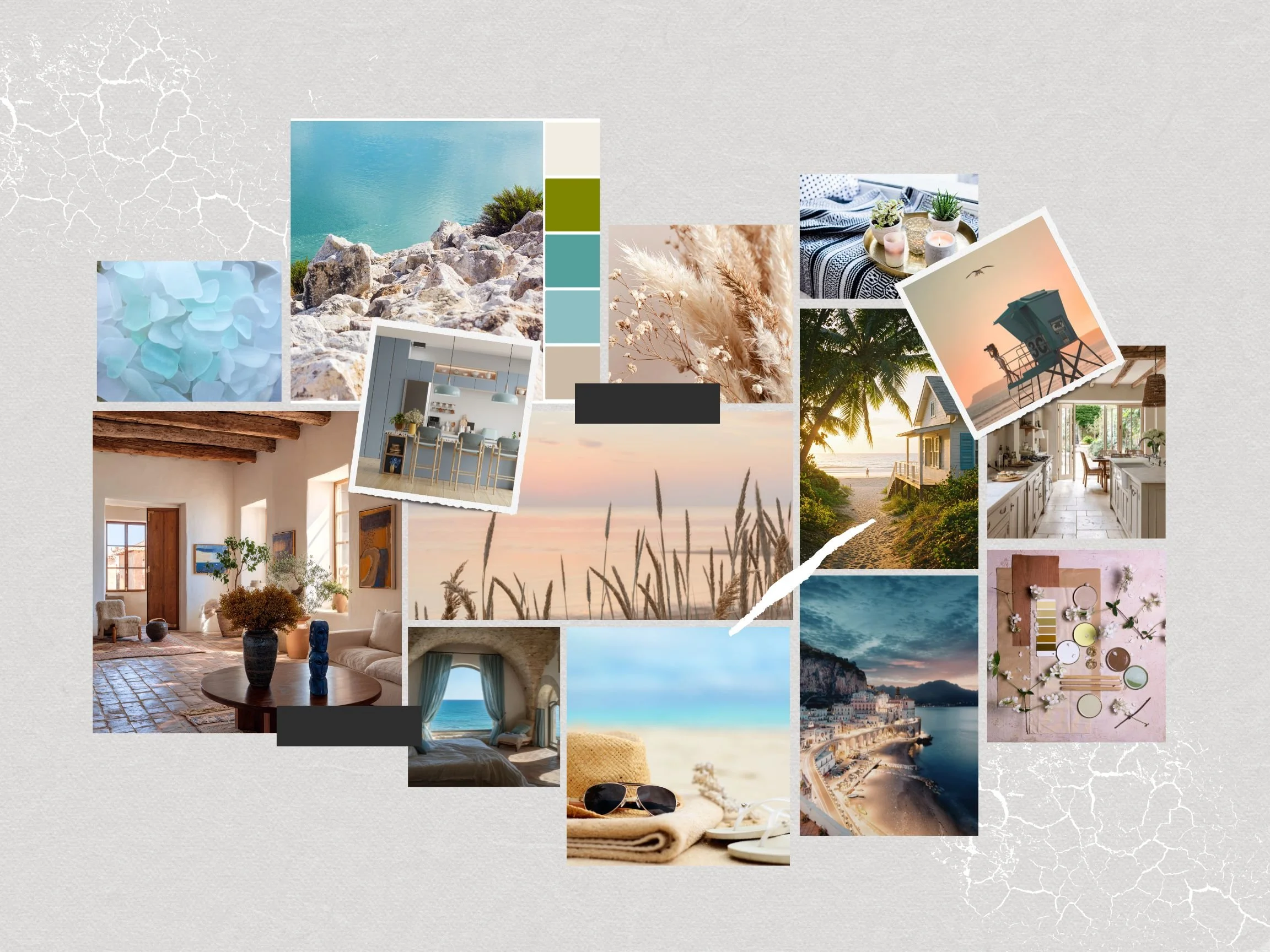
Another common pitfall is assuming that because you love multiple images, they’ll all magically work together. Liking a photo of a modern kitchen, a traditional bathroom, and a rustic living room doesn’t automatically mean they’ll create a cohesive home. Pinterest shows individual moments, not how spaces connect or flow together.
To get the most out of Pinterest—and avoid disappointment—use it as a starting point, not the final destination. It’s a place to gather inspiration and ideas, not a promise of how your home should look.
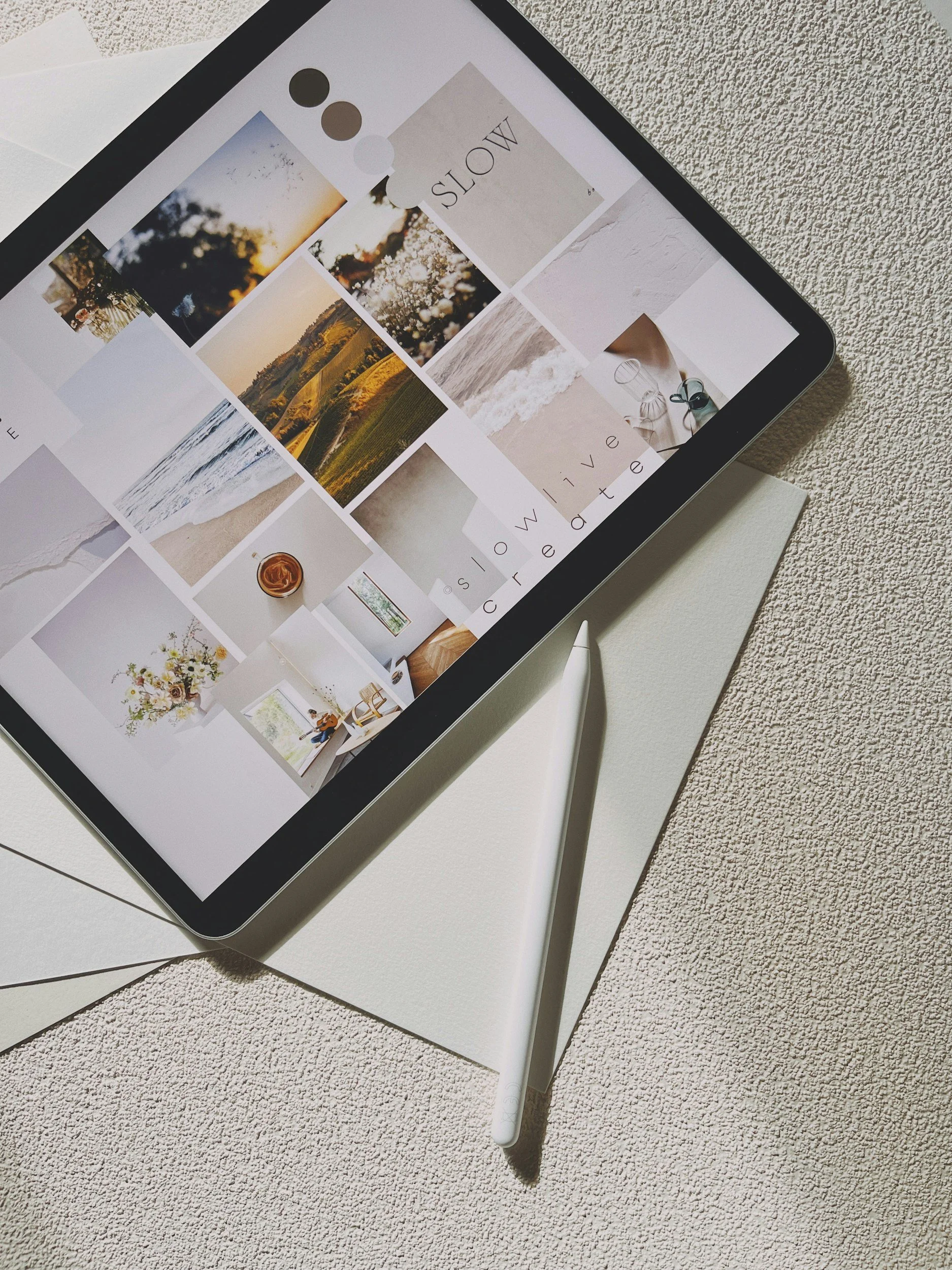
As you pin, patterns will start to emerge. You may notice recurring colours, similar materials, or a consistent overall vibe. These patterns are far more valuable than any single image. When you step back and look at them together, they can become the foundation of your design direction—your renovation roadmap.
Your home may never be “Pinterest-perfect,” and that’s okay. What matters more is that it’s perfect for you, your family, and the way you actually live. Taking the time to plan before you renovate saves time, money, and stress—and leads to a home you truly love living in, not just looking at.
Overwhelmed by the thought of renovating? You’re not alone.
Grab the free Renovation Planning Guide and map your next three moves today.
If you’re mid‑project and second‑guessing decisions, I also offer one‑on‑one sessions to review plans and prevent costly rework.