
Flooring 101: How to Choose the Right Flooring for Your Home
Flooring is one of the largest surfaces in your home, one of the biggest investments you'll make, and one of the hardest-working materials in the entire house. Knowing which flooring will best support your home, lifestyle, and spaces can be tricky. I'm going to break down the most common flooring options and give you the information you need to make an educated decision for your home.
Before choosing flooring, there are a few things to consider. Do you have kids or pets? Is this your forever home, meaning you're comfortable spending a little more on a product that will last? Where are you installing the flooring—basement, kitchen, bedroom, or bathroom? And of course, what is your budget?
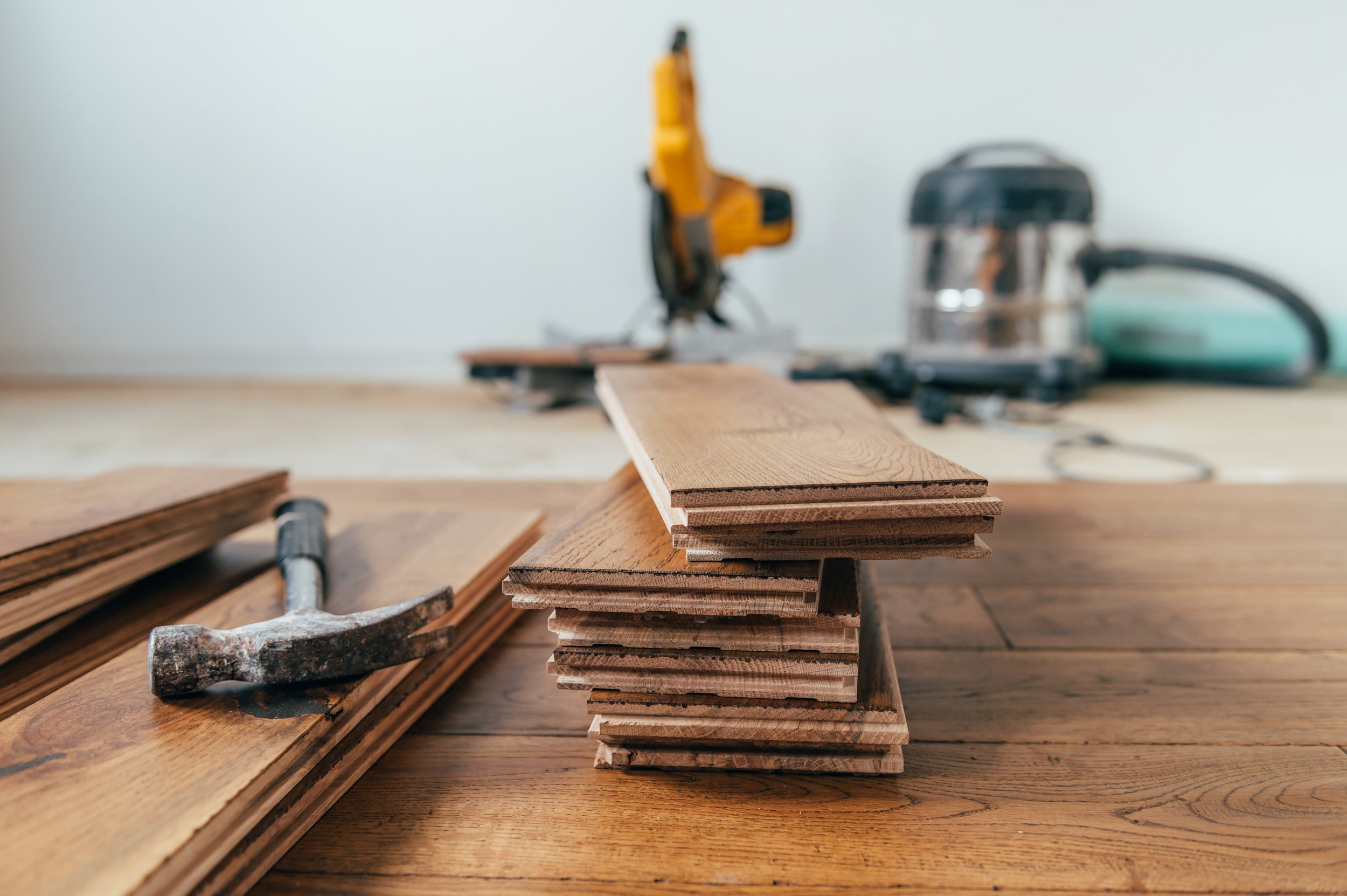
Hardwood Flooring
Hardwood is the flooring most people picture when they imagine their dream home, and for good reason. It's timeless in a way trendier options just aren't, and it tends to add real value when it's time to sell. One of its biggest advantages is that it can be refinished, so even after years of life happening on top of it, you can sand it back and make it look brand new. It feels warm underfoot, and because every plank carries its own grain and character, you end up with a floor that's genuinely one of a kind.
The trade-offs are worth knowing before you commit. Hardwood is on the pricier end, and it isn't bulletproof—it scratches and dents, especially in busy households with pets, kids, or furniture that gets moved around. However, if a board is severely damaged, it can often be removed and replaced individually.
It's also sensitive to moisture, which rules it out for spaces that regularly get wet, and it requires some ongoing maintenance to keep it looking its best.
You'll also need to choose between engineered and solid hardwood. The biggest difference is price, with engineered hardwood typically costing less. Solid hardwood can usually be sanded and refinished up to 10 times, while engineered hardwood may only allow for a few refinishes, depending on the thickness of the wear layer. From an environmental perspective, both options are made from natural materials and come from renewable resources.
Best for: Main living areas, kitchens, dining rooms, and bedrooms—anywhere you want warmth and longevity.
Not recommended for: Basements, bathrooms, mudrooms, or anywhere with higher moisture levels.
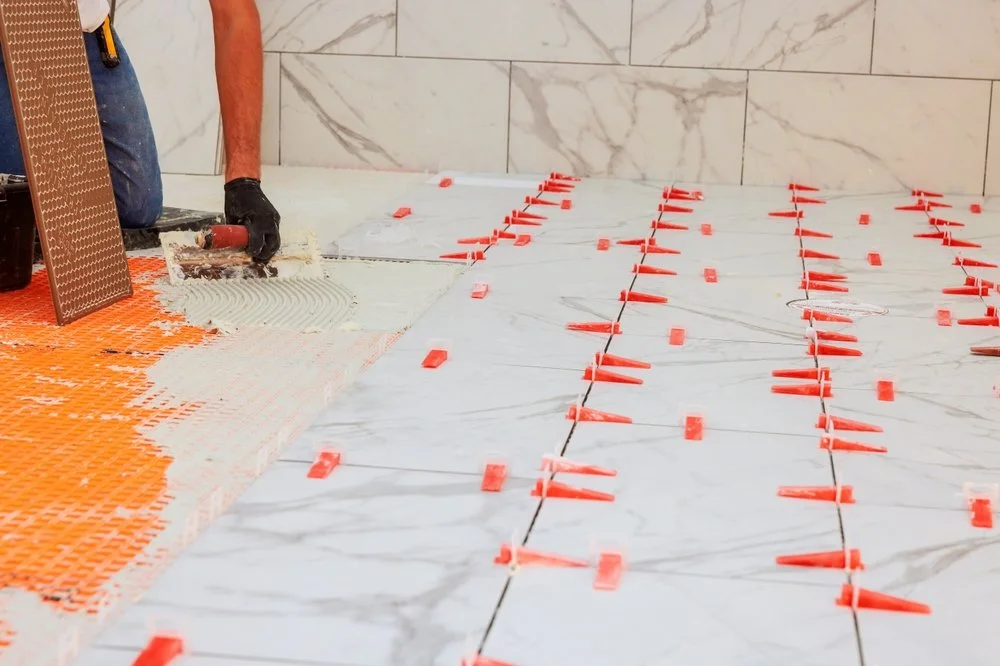
Tile Flooring
Tile is the workhorse of the flooring world. It's extremely durable, fully waterproof, and shrugs off the kind of daily wear that would wear down softer materials, making it a great choice for homes with pets. It also comes in a huge range of styles, so you're not limited to one look, and it pairs beautifully with in-floor heating if you want to take the chill off.
That chill is the catch, though. Without heat underneath, tile can feel cold, and it's hard underfoot, making long periods of standing less comfortable. It can also be unforgiving if you drop a favourite dish. Grout requires occasional maintenance to stay clean and sealed, and because tile is labour-intensive to install, it often comes with a higher installation cost.
Best for: Kitchens, bathrooms, mudrooms, laundry rooms, and entryways—anywhere water and mess are part of daily life.
Not recommended for: Main living areas or bedrooms because of the colder feel underfoot.
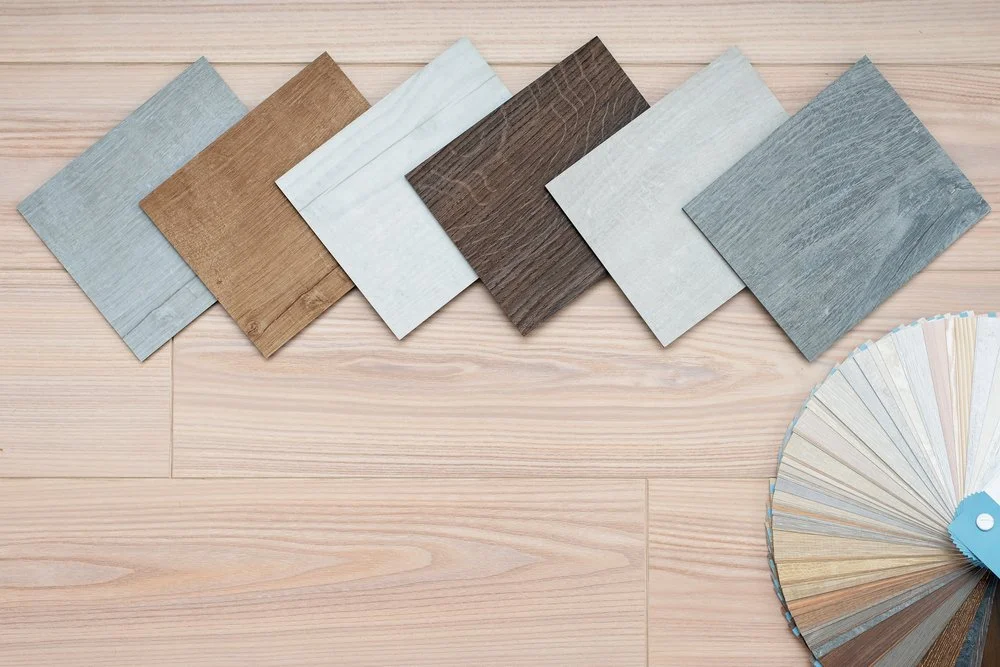
Luxury Vinyl Plank (LVP)
LVP has exploded in popularity, and it's easy to see why. It's waterproof, budget-friendly, and comfortable underfoot, making it a favourite for families with kids and pets. Its popularity also comes from the relatively easy installation—a handy homeowner can often install it themselves.
If a plank ever gets damaged, you can usually replace just that one piece rather than redoing the entire floor, which can save a lot of headaches down the road.
There are limits, though. LVP can't be refinished, so once the wear layer is gone, it's gone. Lower-end products can look noticeably artificial, and it generally won't add value to your home the same way hardwood does.
That last point about quality is worth pausing on because not all vinyl is created equal. The difference between a floor that convincingly looks like wood and one that looks plasticky often comes down to the wear layer and print quality. It's tempting to buy the cheapest option, but spending a little more on a thicker wear layer can be the difference between a floor that lasts for years and one that looks tired much sooner.
From an environmental perspective, LVP is a plastic-based product. While many manufacturers advertise long lifespans, these floors are often replaced long before they've reached the end of their useful life, meaning they ultimately end up in landfills.
Best for: Families, basements, rentals, and whole-home renovations where durability and budget both matter.
Not recommended for: Higher-end custom homes where long-term value and the authenticity of natural materials are priorities.
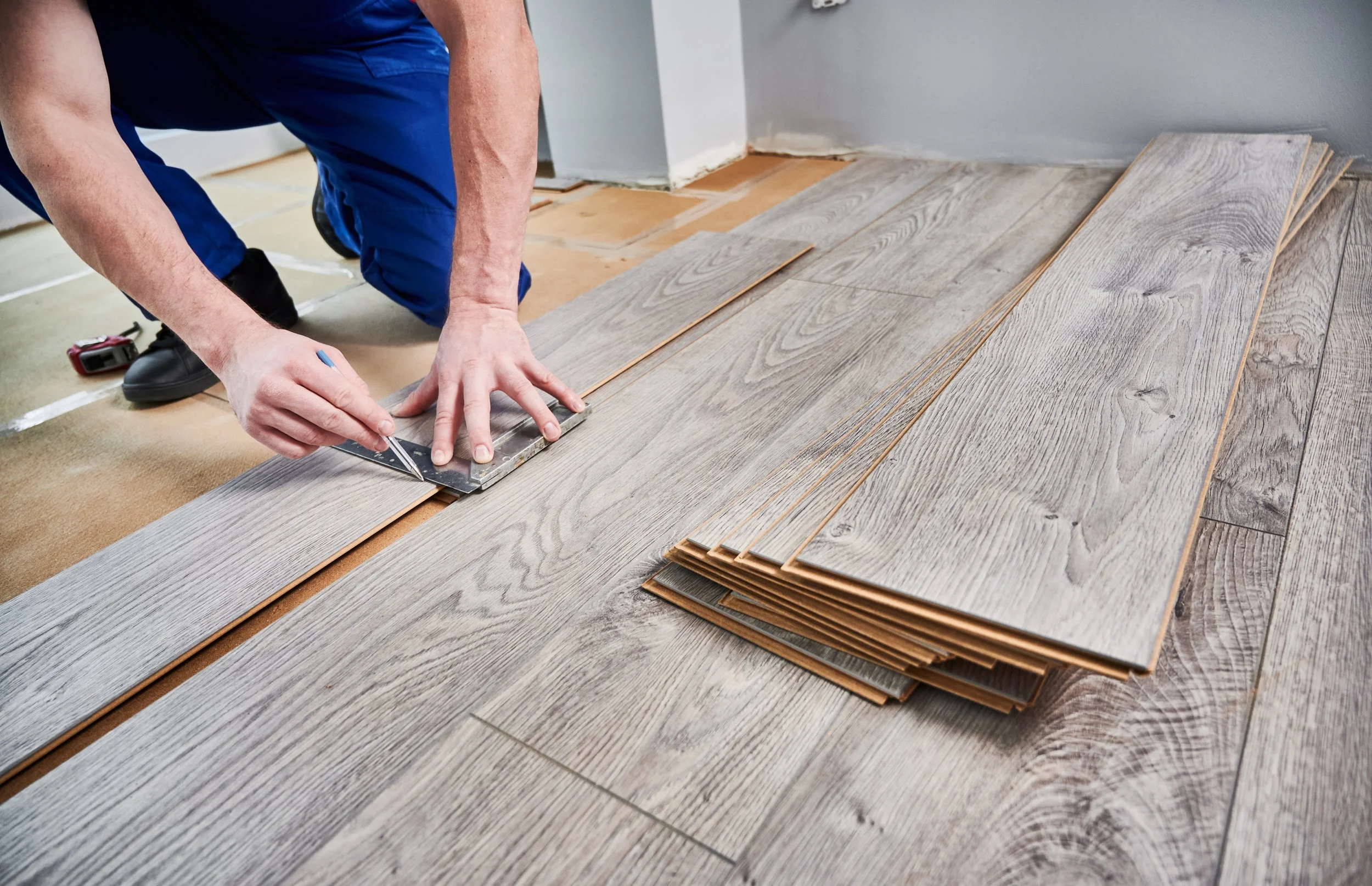
Laminate Flooring
Laminate is the budget-friendly option that punches above its price point. It's affordable, surprisingly scratch-resistant—which is great news if you have a dog—and easy to install thanks to its click-together planks. The wood-look options have come a long way, so you can achieve a warm, natural appearance without the hardwood price tag.
The compromises show up around water and longevity. Laminate isn't truly waterproof—it's water-resistant at best—and standing water can cause the planks to swell, especially with lower-quality products. It can't be refinished, and depending on what's underneath, it can sound a little hollow when you walk on it, although a quality underlayment can help.
This is also where laminate and vinyl often get confused because they can look almost identical at first glance. The difference is what's underneath the surface. Laminate has a wood-based fibreboard core, which is why it swells when it gets wet. LVP has a plastic core, which is why it's waterproof.
A simple rule of thumb: choose laminate in dry rooms where budget is the priority and choose LVP anywhere water is likely to make an appearance.
Best for: Bedrooms, secondary spaces, and budget-conscious renovations.
Not recommended for: Basements, full bathrooms, or anywhere with higher moisture levels or a risk of flooding.
Carpet
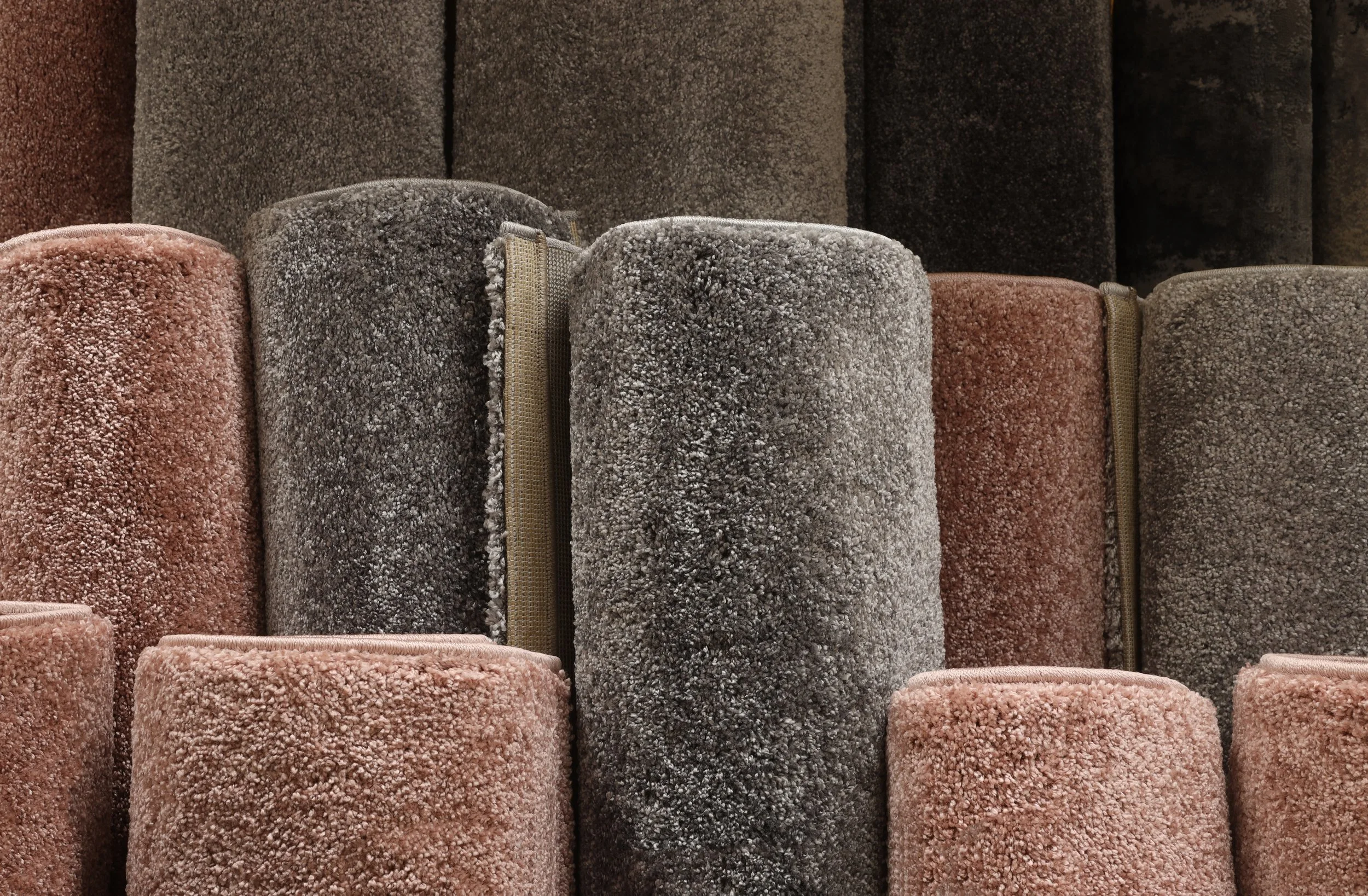
Carpet still earns its place, especially in rooms where comfort wins. It's soft, warm, and quiet underfoot, and it's one of the most affordable ways to finish a space. It provides a nice contrast to the harder flooring materials often used throughout the rest of the home.
The downsides are the ones you'd expect. Carpet stains, traps allergens, wears faster than hard-surface flooring, and requires more regular maintenance to stay looking fresh.
Best for: Bedrooms, basements, and stairs, where softness and quiet matter most.
Not recommended for: Bathrooms, mudrooms, or anywhere with higher moisture levels.
Common Flooring Mistakes
Choosing a material based only on looks
How you live should help guide your flooring choices. The prettiest floor isn't always the best floor for your lifestyle.
Using too many flooring types
I get it—there are so many beautiful flooring options and you want them all. But try to limit yourself to two or three flooring types throughout your home. For example, hardwood or vinyl in the main living areas, carpet in the bedrooms and stairs, and tile in the bathrooms.
The more flooring types you introduce, the less cohesive your home can feel.
Forgetting about transitions and floor heights
Whenever you change flooring types, you'll likely need a transition strip to account for differences in thickness. This is something many homeowners overlook until installation day.
My General Recommendations
When budget is a concern, I almost always suggest LVP. The durability, water resistance, and overall value are hard to beat.
If this is your forever home—or you're renovating an older, historic home—I usually recommend hardwood. It has longevity, character, and a timeless quality that few materials can match.
If you're environmentally conscious, hardwood is often my first recommendation because it's a renewable resource and can last for generations when properly maintained.
Personally, I love carpet in bedrooms and tile in bathrooms. These are spaces where you can have a little fun and show off your personality, whether that's through a patterned tile, unique layout, or a softer, cozier feel underfoot.
The best flooring isn't the trendiest option or the one everyone else is choosing. It's the flooring that supports how you live every day. When you choose flooring based on your lifestyle instead of just appearance, you're far more likely to love it for years to come.
Overwhelmed by the thought of renovating? You’re not alone.
Grab the free Renovation Planning Guide and map your next three moves today.
If you’re mid‑project and second‑guessing decisions, I also offer one‑on‑one sessions to review plans and prevent costly rework.